

 0439 551 226
 info@lusk.com.au


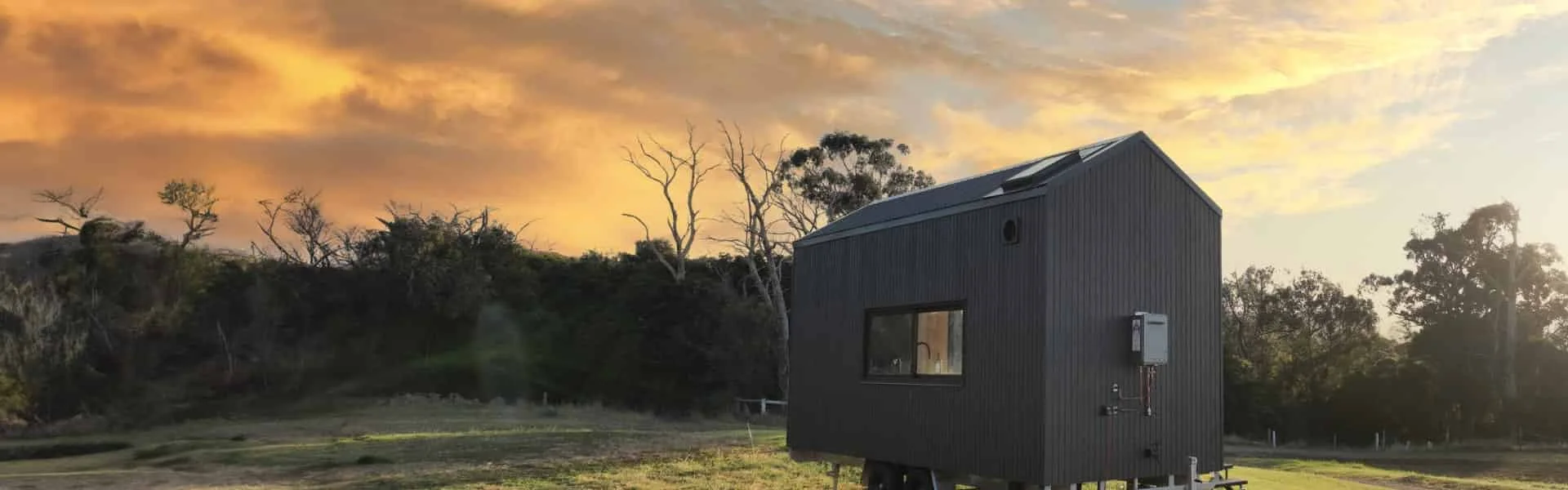

Tiny homes Australia-wide are becoming more appealing as families rethink how much space they really need. For many households, the shift is not only about living in a smaller home. It is about reducing financial pressure, simplifying daily routines and choosing a more flexible way to use land. As the downsizing trend grows, tiny homes are offering Australians a practical alternative to larger, higher-maintenance housing.
The downsizing trend is growing because many Australians want homes that feel easier to manage. Large properties can be expensive to buy, maintain, heat, cool and furnish. For families already dealing with rising living costs, a smaller and smarter home can feel more realistic.
Downsizing also appeals to people who want less clutter and more control over their lifestyle. Instead of paying for rooms they rarely use, families can focus on spaces that support everyday living.
Financial pressure is one of the biggest reasons families are looking at tiny homes Australia-wide. Traditional housing can involve large mortgages, higher utility bills, ongoing repairs, council costs and regular maintenance. These expenses can make it harder for families to save, travel or invest in other priorities.
Tiny homes can offer a more affordable path because they usually require fewer materials, less space and lower ongoing running costs. They may also suit families who already have land and want to add a private space for relatives, guests, teenagers or remote work.
Lusk Tiny Homes offers custom tiny homes that can be tailored to different budgets and uses, from compact living spaces to home offices and studios. Families can explore these options through our custom tiny home selections when comparing build styles and layouts.
Many Australians are moving away from the idea that bigger always means better. A smaller home can support a more intentional lifestyle, where every room has a purpose, and every item earns its place.
This cultural shift is closely tied to minimalism, flexible work and the desire for more lifestyle freedom. Families are asking different questions now. Do we need more space, or do we need a better-designed space? Do we want a larger mortgage, or more freedom in how we spend our time and money?
Tiny homes fit this mindset because they encourage practical choices. The focus becomes comfort, function and simplicity rather than excess space.
Sustainable living is another reason tiny homes are gaining attention. A smaller home generally uses less energy for heating, cooling and lighting. It may also require fewer building materials and encourage more careful use of water, electricity and household goods.
For families who want to reduce their environmental impact, a tiny home can make sustainable choices feel more achievable. Features such as good insulation, natural light, efficient appliances and off-grid options can all support lower-impact living. Lusk Tiny Homes also offers off-grid setups, which may suit families planning a rural retreat, backyard studio or more independent living arrangement. These options can be discussed during the design process so the home works properly from the start.
Tiny homes may not replace a full-sized house for every family, but they can still support family life in practical ways. A tiny home can become a guest suite, parent retreat, study space, rental option, teenage area or quiet work zone.
For smaller households, a well-designed tiny home can also be used as a main residence. The key is planning the layout around real routines. Families need storage, comfortable sleeping areas, good airflow, useful kitchen space and outdoor connection.
Multi-functional furniture, built-in cabinetry and flexible layouts can make a compact home feel more organised. When every part of the home is planned carefully, a smaller footprint does not have to feel limiting.
Family needs rarely stay the same forever. Children grow, work patterns change, older relatives may need support and properties may need to serve more than one purpose. Tiny homes can help families respond to these changes without committing to a major renovation or a traditional extension.
A tiny home can be placed as an additional space where suitable, used for a period of time and adapted as needs change. This flexibility is one reason they are becoming more popular with households that want options.
Tiny homes are likely to remain part of Australia’s housing conversation as affordability, sustainability and land use continue to matter. More families are recognising that a smaller home can still offer comfort, style and long-term value when it is designed well.
The future will depend on council rules, site suitability and broader acceptance of compact living. However, the interest is clear. Tiny homes are no longer just a niche idea. They are becoming a serious option for Australians who want practical, flexible and more sustainable living.
If your family is considering the downsizing trend, Lusk Tiny Homes can help you explore designs that make smaller living feel comfortable and purposeful. Talk to the team about layouts, off-grid options, custom features and tiny home solutions that suit your property and lifestyle.

Tiny homes investment is becoming an attractive option for Australians who want to make better use of their land, create guest accommodation or explore a new rental income stream. Compared with many traditional property upgrades, a tiny home can offer a more flexible way to add usable space without building a full-sized dwelling. A tiny […]

Tiny home design hacks can make the difference between a small space that feels cramped and one that feels calm, open and easy to live in. In Australia, tiny homes need to support many different lifestyles, from full-time living and guest accommodation to backyard studios, rental stays and remote workspaces. The key is not simply […]

An off-grid tiny home gives Australians a practical way to live with less reliance on traditional utilities. Instead of depending fully on mains electricity, town water and standard waste systems, an off-grid tiny home is designed around sustainable energy, water storage and smarter resource use. For people interested in self-sufficient living, the goal is to […]

A DIY tiny home kit can be a smart option for Australians who want creative control, a more hands-on build and a flexible way to manage costs. It can also be rewarding if you like practical projects and want to build your own tiny house from the ground up. However, DIY is not the right […]

Tiny homes Australia-wide are changing how people think about affordability, space and long-term lifestyle choices. While traditional Australian homes remain the preferred option for many households, tiny homes are becoming more popular with people who want lower costs, less maintenance and a more flexible way to live. The right choice depends on what you value […]