

 0439 551 226
 info@lusk.com.au


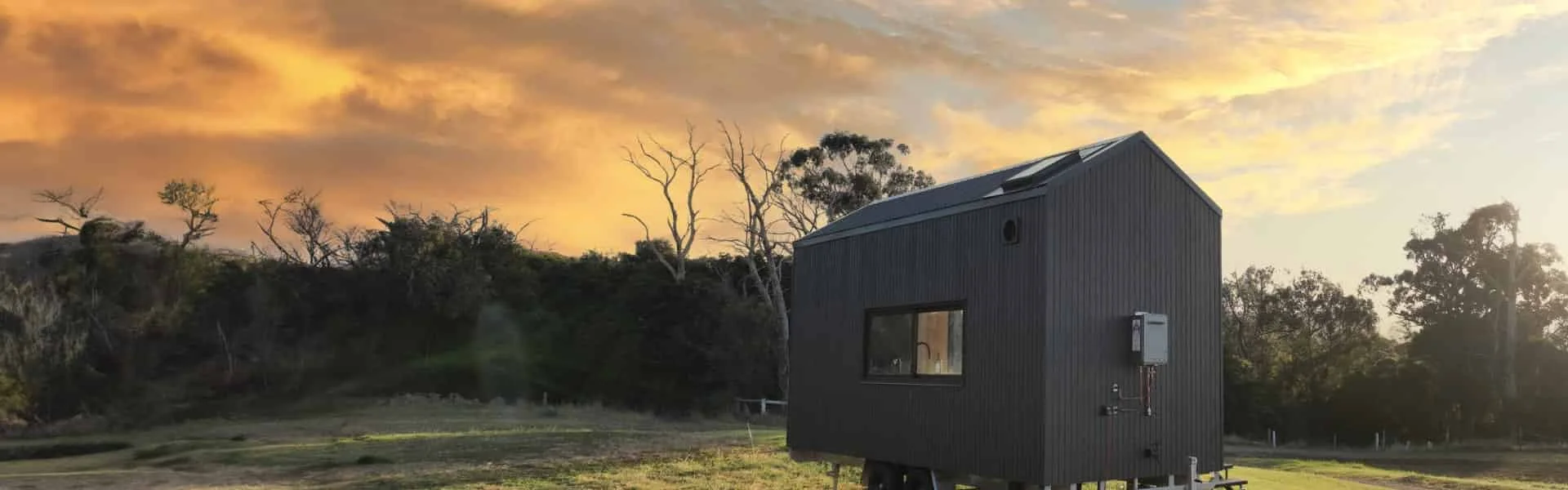
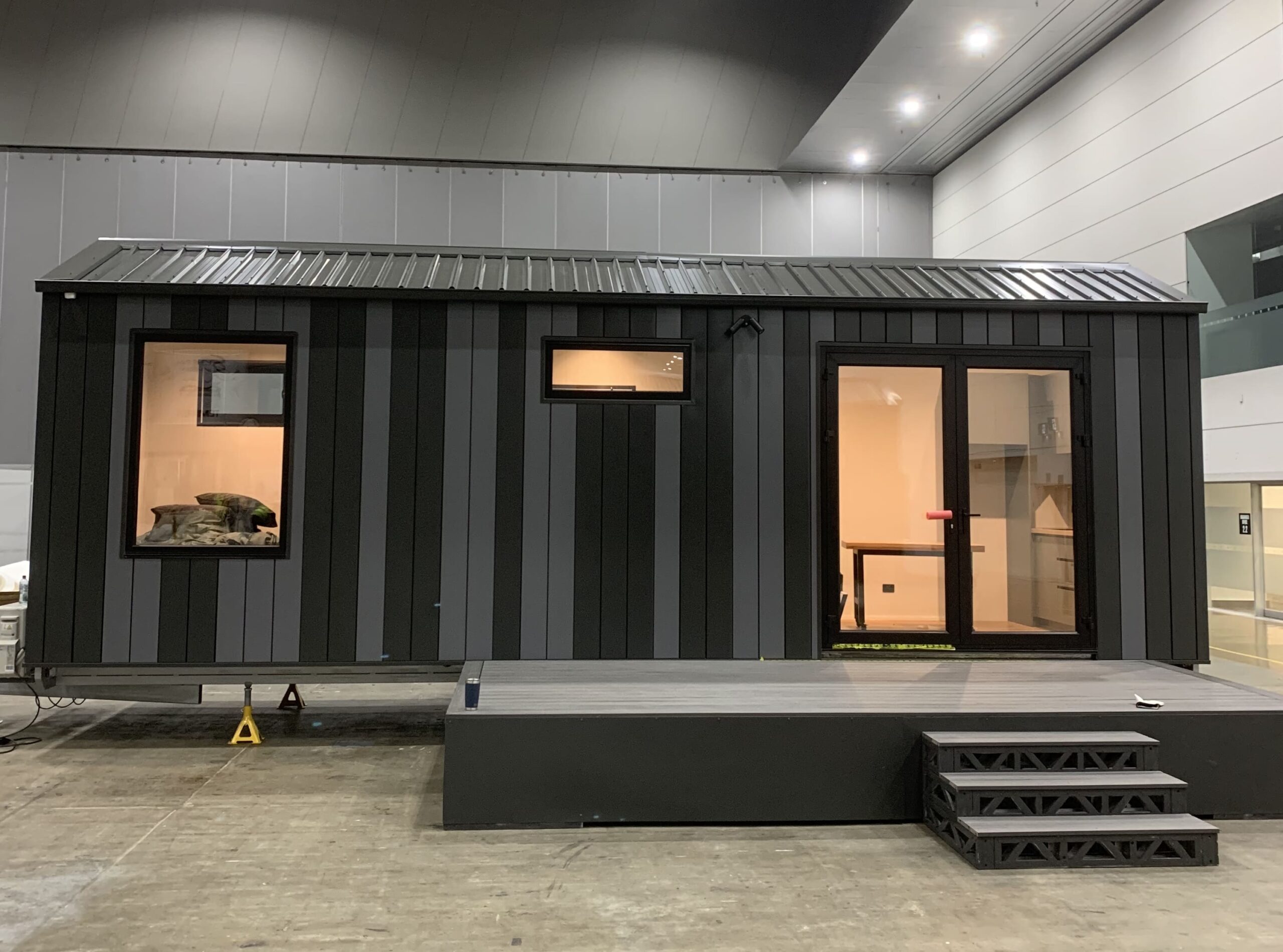
Tiny homes investment is becoming an attractive option for Australians who want to make better use of their land, create guest accommodation or explore a new rental income stream. Compared with many traditional property upgrades, a tiny home can offer a more flexible way to add usable space without building a full-sized dwelling.
A tiny home may be used for short-stay accommodation, holiday rental stays or long-term leasing, depending on the property, local rules and the way the home is set up. For investors, the appeal comes from lower space requirements, practical layouts and the ability to create a unique stay that feels private, compact and memorable.
Tiny homes are being considered for rental income because they can serve more than one purpose. A property owner might use the space for guests during some periods, then rent it out during peak travel seasons or use it as longer-term accommodation where permitted.
This flexibility makes tiny homes appealing for people who want an asset that can adapt over time. If rental demand changes, the home may still be useful as a studio, family retreat, office or extra living space.
Tiny homes for rent can also appeal to tenants and travellers who want privacy without the scale or cost of a larger home. A well-designed tiny home can feel comfortable, self-contained and easy to maintain.
Short-stay platforms often reward properties that feel distinctive. Tiny homes can stand out because they offer something different from a standard apartment, cabin or hotel room.
A successful short-stay tiny home should be easy to use and visually appealing. Guests usually expect a comfortable bed, functional kitchen, clean bathroom, heating and cooling, privacy, natural light and a pleasant outdoor area.
Location also matters. A tiny home near beaches, wineries, national parks, regional towns or quiet rural settings may appeal to travellers looking for a simple escape. The experience should feel relaxed, but the setup still needs to be practical.
A tiny home’s holiday rental can attract guests who want a unique stay without unnecessary excess. Many travellers are drawn to compact accommodation when it offers privacy, scenery, outdoor living and a sense of calm.
The best holiday rental setups often include thoughtful design details. A deck, covered veranda, outdoor seating, large windows or a pod room can make the property feel more spacious and memorable.
Lusk Tiny Homes offers deck trailer options through its deck trailers page, including deck-only, covered veranda and pod room designs. These additions can help create more usable space for guests and improve the overall rental experience.
Tiny homes rental opportunities are not limited to short stays. In some cases, a tiny home may suit long-term leasing for tenants who want a smaller, more affordable and private place to live.
Long-term leasing requires a different mindset from holiday rental use. The space needs to support daily living, not just weekend comfort. Storage, privacy, laundry access, heating, cooling, kitchen function and reliable services become more important.
Before planning a long-term rental, owners should check council rules, tenancy requirements, insurance and service connections. What is suitable in one area may not be suitable in another.
Tiny homes investment planning should look beyond the purchase price. Investors should consider delivery, site preparation, foundations or placement requirements, service connections, furnishings, maintenance, insurance, cleaning and management.
The cost will also depend on the model, inclusions and level of finish. A simple setup may cost less upfront, while a more premium holiday rental may need stronger presentation, better furniture and outdoor features.
Lusk Tiny Homes offers different tiny home models and custom build options, allowing buyers to compare sizes, layouts and finishes before making a decision. This can help investors match the home to their target use rather than choosing only by price.
Tiny homes are smaller, which can make maintenance more manageable than a larger rental property. There is less floor area to clean, fewer rooms to furnish and generally fewer materials to maintain.
However, maintenance still matters. A rental tiny home needs regular cleaning, ventilation checks, appliance care, plumbing checks, outdoor upkeep and prompt repairs. Short-stay rentals may need more frequent cleaning and inspections because guests change often.
Good design can reduce maintenance pressure. Durable finishes, easy-clean surfaces, smart storage and reliable fittings can help keep the home guest-ready.
Rental appeal depends on comfort, presentation and purpose. A tiny home used for romantic weekends should feel different from one designed for remote workers or long-term tenants.
To improve appeal, consider:
A strong rental setup should make the tiny home feel intentional, not temporary.
Thinking about turning a tiny home into a rental income stream? Speak with our team about tiny homes for rent, custom layouts, deck trailer additions and practical design features that can support short-stay, holiday rental or long-term leasing goals.

Tiny home design hacks can make the difference between a small space that feels cramped and one that feels calm, open and easy to live in. In Australia, tiny homes need to support many different lifestyles, from full-time living and guest accommodation to backyard studios, rental stays and remote workspaces. The key is not simply […]

An off-grid tiny home gives Australians a practical way to live with less reliance on traditional utilities. Instead of depending fully on mains electricity, town water and standard waste systems, an off-grid tiny home is designed around sustainable energy, water storage and smarter resource use. For people interested in self-sufficient living, the goal is to […]

A DIY tiny home kit can be a smart option for Australians who want creative control, a more hands-on build and a flexible way to manage costs. It can also be rewarding if you like practical projects and want to build your own tiny house from the ground up. However, DIY is not the right […]

Tiny homes Australia-wide are becoming more appealing as families rethink how much space they really need. For many households, the shift is not only about living in a smaller home. It is about reducing financial pressure, simplifying daily routines and choosing a more flexible way to use land. As the downsizing trend grows, tiny homes […]

Tiny homes Australia-wide are changing how people think about affordability, space and long-term lifestyle choices. While traditional Australian homes remain the preferred option for many households, tiny homes are becoming more popular with people who want lower costs, less maintenance and a more flexible way to live. The right choice depends on what you value […]